Hair Loss Treatment: Can Hair Oils Regrow Lost Strands?
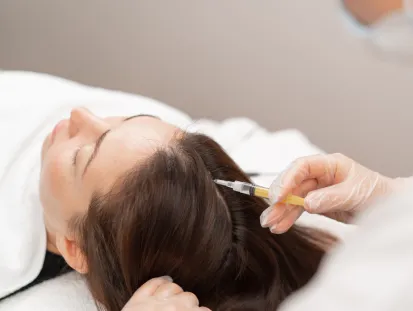
Hair loss can feel discouraging, especially when it happens suddenly or more than expected. Many people wonder if hair oils can truly support regrowth and restore confidence in their hair’s natural appearance. The idea of using oils for hair care is not new, but the question remains: can they really help regrow lost strands, or do they simply nourish the scalp and maintain existing hair health?This discussion explores the potential role of hair oils in addressing Hair Loss Treatment Dubai and what individuals can realistically expect when incorporating them into a routine.
Understanding the Role of Hair Oils
Hair oils have been part of traditional care routines for generations. They are often used for their ability to coat the hair, add shine, and protect strands from dryness. However, when it comes to regrowth, the focus is on how oils might nourish the scalp and support a healthy environment for hair follicles.Oils may not directly create new follicles where none exist, but they can help in the following ways:
- Moisturizing the scalp to reduce dryness
- Supporting stronger hair roots
- Creating a soothing barrier against environmental stressors
- Helping with scalp massage, which can improve circulation
Can Oils Regrow Lost Strands?
The idea of oils regrowing lost strands can be a bit complex. While oils themselves may not magically restore hair, they can promote conditions that encourage existing follicles to function better. For individuals experiencing thinning rather than permanent bald spots, oils can help maintain healthier hair growth cycles.When combined with consistent scalp care and gentle hair practices, oils may strengthen strands, reduce breakage, and enhance the natural growth pattern of hair. This does not mean every individual will notice regrowth, but some may see improvements in thickness and scalp health.
The Importance of Scalp Health
A healthy scalp is central to any hair loss treatment. Without proper nourishment and circulation, hair follicles can weaken over time. Oils provide hydration and create a protective layer that helps maintain scalp balance.Massaging oil into the scalp can also:
- Improve blood circulation to follicles
- Relax tension that may contribute to hair fall
- Help distribute natural oils evenly
This combination of hydration and stimulation is often what encourages stronger hair to continue growing.
Hair Oils as a Supportive Routine
It is important to view oils as supportive tools rather than miracle solutions. They work best as part of a consistent hair care routine. People who dedicate time to nourishing their scalp, eating balanced meals, and reducing stress often find that oils enhance these efforts.Consistency is key. Applying oil occasionally may provide temporary shine, but regular use with gentle massaging often brings better long-term results.
Lifestyle Factors That Work Alongside Oils
While oils can support scalp health, other lifestyle habits also play a major role in hair strength and appearance. Maintaining overall wellness often reflects directly on hair condition. Some habits that complement the use of oils include:
- Eating nutrient-rich foods
- Staying hydrated
- Managing stress with relaxation techniques
- Avoiding harsh styling practices
These practices create an environment where oils can be more effective in supporting hair growth.
Common Misunderstandings About Hair Oils
Many people expect oils to completely reverse hair loss overnight, which is rarely realistic. Oils support existing growth cycles but may not create entirely new hair follicles. Their real strength lies in nourishing the scalp, improving texture, and protecting against further weakening.Instead of viewing oils as a cure, it may be more helpful to see them as part of a broader hair loss treatment strategy that focuses on scalp health and overall well-being.
FAQs About Hair Oils and Hair Loss Treatment
Do hair oils actually make hair grow faster?
Hair oils may not speed up the natural growth rate, but they can help reduce breakage and support healthier strands, making hair appear fuller over time.
How often should oils be applied?
Consistency is important. Applying oil a few times a week with gentle scalp massage often works best for maintaining healthy hair.
Can oils help if hair loss is severe?
In cases of significant hair loss, oils may not restore lost follicles. However, they can help maintain the strength and quality of existing hair.
Are oils enough as a standalone hair loss treatment?
Oils are more effective when combined with healthy lifestyle practices and consistent care routines. They should be seen as one supportive step rather than the only solution.
Hair Oils and Long-Term Hair Care
For many, hair oils serve as a soothing and supportive way to care for the scalp and strands. Over time, regular use can create noticeable improvements in texture, thickness, and shine. While regrowth results may vary from person to person, the long-term benefits of scalp nourishment should not be overlooked.Individuals looking to strengthen their hair naturally often find that oils play a valuable role in their overall hair loss treatment approach. By combining patience, consistency, and healthy daily habits, the use of oils can lead to stronger, more resilient strands.
Final Thoughts
Hair oils may not be a magic cure for regrowing lost strands, but they can certainly support the scalp and existing follicles in a way that encourages stronger, healthier growth. By focusing on scalp nourishment, regular care, and overall wellness, many individuals find oils to be a comforting and beneficial part of their routine.For those exploring different options, learning more about Hair Loss Treatment in Dubai can provide insights into how oils fit within wider strategies. Oils might not bring instant results, but when used with dedication, they can become a trusted ally in nurturing hair health and confidence.