Root Canal Treatment for Cracked Teeth: What You Need
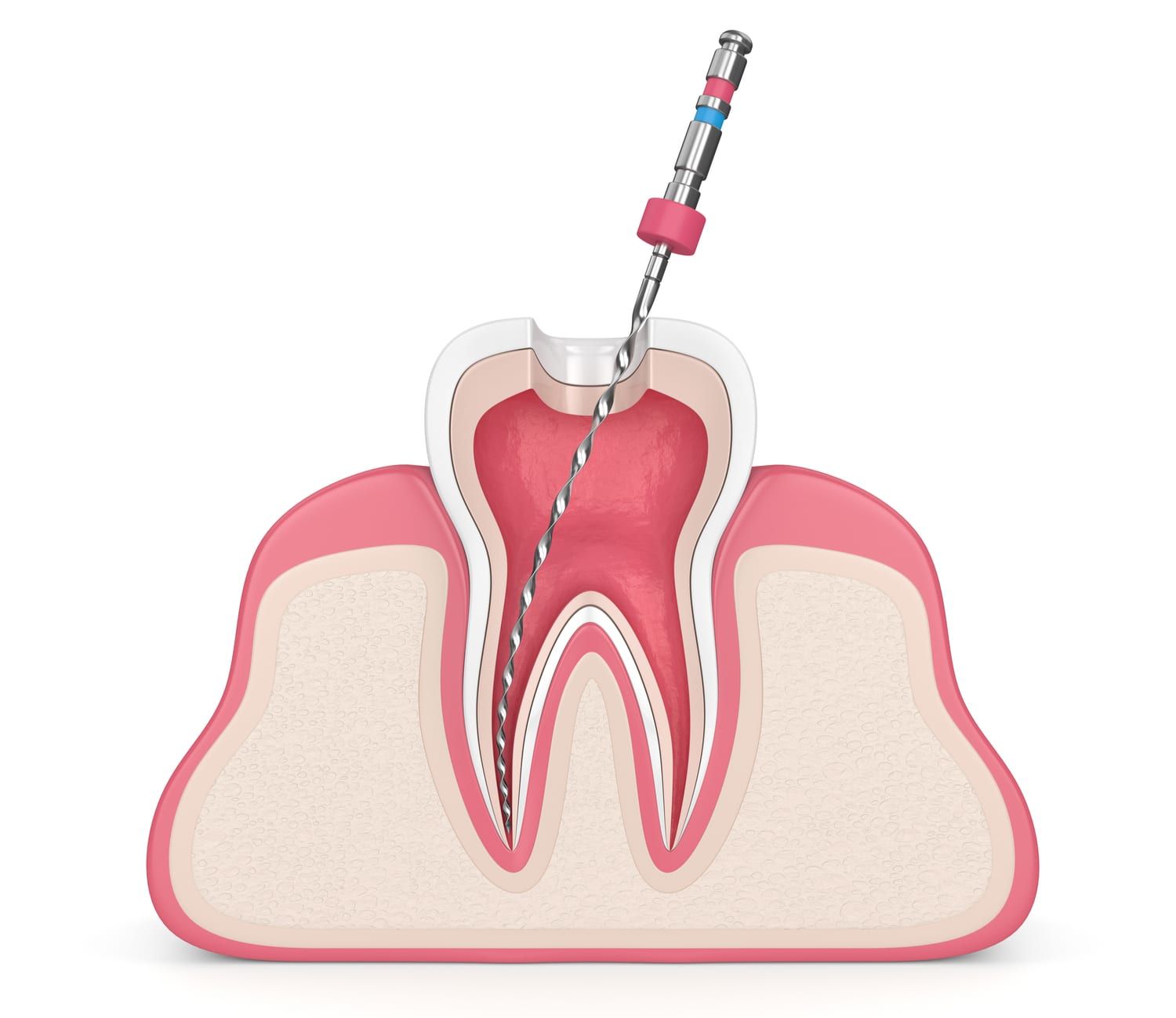
Cracked teeth can be painful, frustrating, and, if left untreated, can lead to serious dental issues. Root Canal Treatment Dubai is often recommended to save a tooth that has developed a crack extending into the pulp. Understanding how this procedure works and what it involves can help patients feel informed and prepared.
Why Cracked Teeth Need Attention
Cracks in teeth can occur due to trauma, biting on hard foods, or natural wear and tear over time. While some cracks may be superficial, deeper cracks can reach the pulp, the soft tissue inside the tooth containing nerves and blood vessels. When the pulp becomes exposed or infected, the tooth can cause significant pain and sensitivity.Root canal treatment addresses these issues by removing the damaged pulp, cleaning the canals, and sealing the tooth to prevent further infection. This preserves the natural tooth structure and prevents the crack from worsening.
How Root Canal Treatment Works for Cracked Teeth
Root canal treatment for a cracked tooth follows a careful process to protect and restore the tooth’s function:
Cleaning the Pulp
The first step is to remove the infected or damaged pulp tissue. This relieves pain and stops infection from spreading. Cleaning the canals ensures that the inside of the tooth is free from bacteria.
Shaping and Sealing
Once the pulp is removed, the root canals are shaped and disinfected to prepare them for sealing. The tooth is then filled with a biocompatible material that prevents further infection. This step is crucial for maintaining the tooth’s structural integrity.
Reinforcing the Tooth
Cracked teeth are more vulnerable to further damage. After a root canal, a crown or other restoration is typically placed over the tooth to provide additional support. This reinforcement helps the tooth withstand normal chewing forces and reduces the risk of the crack worsening.
Benefits of Root Canal Treatment for Cracked Teeth
Root canal treatment offers several advantages for cracked teeth:
Pain Relief
By removing the infected pulp and sealing the tooth, patients experience relief from sensitivity and discomfort caused by the crack.
Tooth Preservation
Instead of extracting the tooth, root canal treatment allows the natural tooth to be preserved, maintaining its role in the dental arch.
Improved Chewing Function
Restoring a cracked tooth helps maintain proper bite and chewing efficiency. Patients can eat comfortably without favoring one side of the mouth.
Preventing Further Damage
Reinforcing the tooth after root canal treatment reduces the risk of the crack spreading and causing more severe dental problems in the future.
Common Signs That a Cracked Tooth May Need a Root Canal
Patients should consider root canal treatment if they notice:
- Sharp pain when biting or chewing
- Sensitivity to hot or cold foods and beverages
- Persistent discomfort or swelling around the tooth
- A visible crack that extends into the inner tooth
Early intervention can prevent the crack from worsening and increase the success rate of the treatment.
FAQs About Root Canal Treatment for Cracked Teeth
Will the Procedure Be Painful?
Most patients report minimal discomfort during the procedure, as anesthesia is used to numb the area. Any post-treatment sensitivity is usually temporary and mild.
How Long Does a Cracked Tooth Take to Heal?
The healing process varies depending on the tooth and the extent of the crack, but most patients can resume normal oral activities shortly after treatment.
Can All Cracked Teeth Be Saved with a Root Canal?
Not all cracks are suitable for root canal treatment. If the crack extends below the gum line or severely compromises the tooth structure, extraction may be necessary.
How Can I Protect a Cracked Tooth After Treatment?
Reinforcing the tooth with a crown and practicing good oral hygiene helps protect the tooth from further damage and ensures long-term durability.
Does Root Canal Treatment Affect Jaw Function?
By restoring the tooth and maintaining its position in the dental arch, root canal treatment helps support normal chewing and jaw function.
Conclusion
Root canal treatment is a highly effective option for saving cracked teeth, relieving pain, and restoring oral function. By addressing the infection, sealing the tooth, and reinforcing it with a restoration, patients can maintain their natural teeth and prevent further dental complications.For those looking to safeguard cracked teeth and maintain overall oral health, exploring options like Root Canal Treatment in Dubai can provide professional guidance on preserving tooth structure and ensuring long-lasting dental comfort.