What Makes Laser Hair Removal Potentially Haram in Islam?
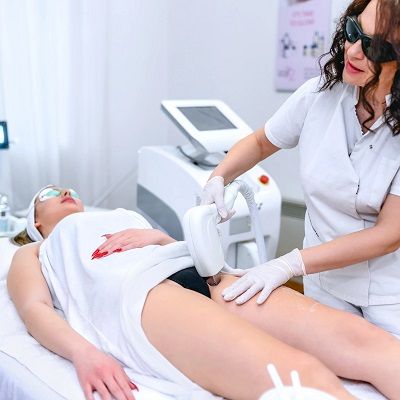
In Islam, the concept of fitrah, or natural disposition, plays a significant role in how the body is viewed and treated. It refers to the original state in which humans were created. Maintaining cleanliness and hygiene is encouraged, but altering the creation of Allah without necessity is often cautioned against. This distinction is critical when exploring whether certain beauty procedures align with Islamic teachings.The question arises Is laser hair removal Haram?
Hair Removal in Traditional Islamic Jurisprudence
Removing certain body hair is not only permissible but recommended in Islam for hygiene and cleanliness. Areas such as the armpits and pubic region are commonly mentioned in Hadith literature as places where hair removal is part of fitrah. However, when the method of hair removal becomes technologically advanced or involves tools that alter the skin or natural form, scholars begin to differ in their opinions.
Issues of Awrah and Exposure During Procedures
The Importance of Modesty in Islam
One of the primary concerns raised by scholars about procedures like laser hair removal relates to awrah, which refers to the intimate parts of the body that must remain covered except in necessary situations. Islamic guidelines place a high emphasis on modesty and preserving one’s dignity.
Gender Interaction and Privacy Concerns
A potential issue that makes laser hair removal controversial in Islamic law is the exposure of private areas to non-mahram individuals. If the procedure requires exposing the awrah to someone who is not permitted to see it, this can make the act impermissible. Regardless of the intention behind the procedure, the act of exposing oneself without valid reason is considered a serious matter.
Intention Behind the Practice of Hair Removal
Cosmetic Intentions and Vanity
Islam emphasizes intention (niyyah) in all actions. If laser hair removal is pursued purely for beautification or out of vanity, some scholars consider this problematic. The practice could then be seen as altering the creation of Allah unnecessarily, especially when the removal is from areas not typically associated with hygiene or cleanliness.
Pursuit of Cultural Beauty Standards
Islam discourages blindly following societal trends that may conflict with religious principles. When laser hair removal is performed to meet certain beauty ideals promoted by modern culture, this could shift the intention away from what is permissible into what is doubtful or potentially haram. If the procedure aligns more with societal pressure than personal care, it raises ethical concerns.
Changing the Creation of Allah
The Quranic Warning Against Alteration
In Surah An-Nisa, Allah mentions that Satan will inspire people to change the creation of Allah. This verse is frequently cited when discussing cosmetic procedures. While not all changes to the body are forbidden, those done without necessity or medical benefit may fall into this category. Laser hair removal may be seen as crossing this line if it is performed on areas where hair is natural and poses no hygiene concern.
The Role of Necessity in Islamic Law
Islamic rulings often consider darura (necessity) when determining permissibility. If a person undergoes a procedure out of medical need or to resolve a condition that causes genuine distress, some scholars may allow it. However, in the absence of such necessity, procedures like laser hair removal are often placed under scrutiny.
Differences Among Schools of Thought
Varying Interpretations Within Islamic Jurisprudence
The opinions on whether such procedures are permissible can vary among the four major schools of thought. Some scholars may view the procedure as permissible if conducted within Islamic boundaries—such as by a same-gender practitioner in a modest setting. Others may adopt a stricter stance, especially if the procedure involves unnecessary exposure or intention rooted in vanity.
Caution in Matters of Doubt
Islam encourages staying away from matters that fall into a doubtful category. If a person is unsure whether an act like laser hair removal is acceptable, it is often advised to avoid it out of caution. The Prophet Muhammad (peace be upon him) taught that avoiding doubtful matters is a sign of personal piety and righteousness.
Ethical and Religious Responsibility
Acting in Accordance With Religious Values
For devout Muslims, aligning lifestyle choices with Islamic values is a constant goal. In this light, decisions about personal grooming, including methods like laser hair removal, must be carefully considered. What may appear as a simple cosmetic procedure might have deeper religious implications.
Reflecting on Inner and Outer Beauty
Islam places strong emphasis on inner beauty, character, and behavior. While cleanliness and presentation are encouraged, they should not overshadow the importance of modesty, humility, and religious commitment. Relying excessively on physical appearance can shift attention away from spiritual growth and contentment.
Summary
Laser hair removal raises multiple religious concerns in Islamic thought. Issues such as exposure of awrah, altering the natural form, intention behind the action, and possible influence of cultural trends make the ruling complex. While it is not categorically forbidden in all situations, it certainly occupies a space that demands caution and awareness. When asked, Is Laser Hair Removal Haram, the answer depends on how, why, and where it is done—and whether it aligns with Islamic guidelines.In conclusion, procedures that involve significant alteration of one’s natural state, especially without necessity, often fall into a gray area in Islamic ethics. Those seeking such procedures are encouraged to reflect on their motives and consult knowledgeable scholars. To avoid falling into impermissible actions, it is safer to approach such beauty practices with restraint. The question Is laser hair removal haram in Dubai continues to prompt thoughtful discussion among scholars and individuals alike, reflecting the evolving intersection between faith and modern lifestyle choices.